Growing Mullein from Seed: A Plant That Practically Sows Itself
How to grow mullein from seed: when and how to sow, the soil and sun it wants, and how to manage its prolific self-seeding so you have leaf and flower for years.
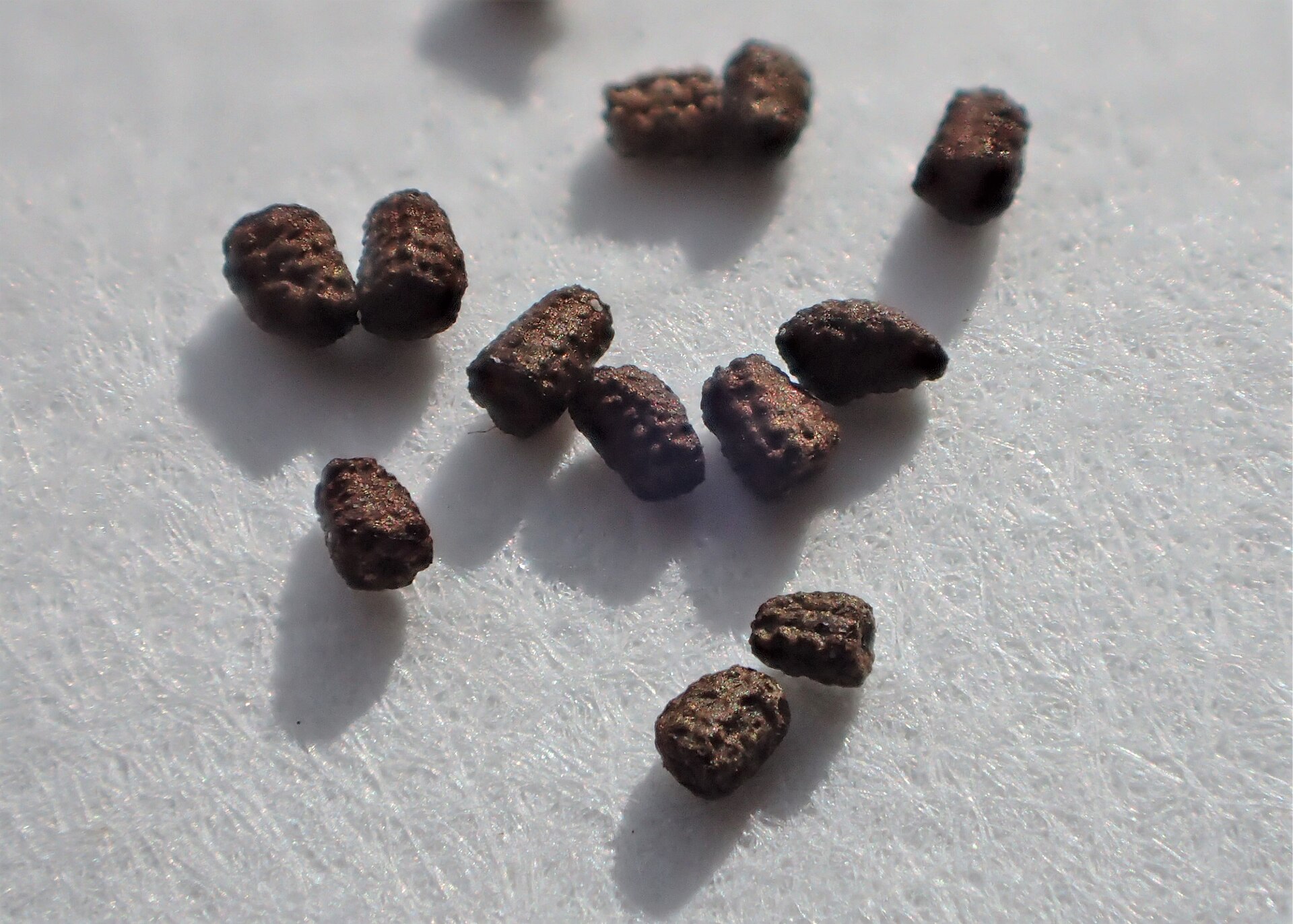
Mullein is one of those rare plants where the main skill is restraint. It asks for poor soil, full sun, and to be left alone, which is to say it asks for the spots most plants hate. If you can grow nothing else in a hot gravelly corner, you can grow mullein. Here is how to start it from seed and keep it coming back.
First, a note on supply: mullein seed is cheap and widely sold, and a single plant produces hundreds of thousands of seeds, so you will never need much. If you are buying, look for Verbascum thapsus specifically (common or great mullein), as covered in our guide to the mullein plant.
What mullein wants
Counterintuitively, the way to fail with mullein is to treat it well.
- Full sun. Non-negotiable. It is a sun-worshipper.
- Poor, well-drained soil. Gravelly, sandy, or stony is all ideal. Rich, fed beds actually suit it less and can make it floppy.
- No feeding. Skip the compost and fertiliser. Lean soil gives you a sturdier plant.
- Room to spread. A mature rosette gets large, and the second-year spike is tall, so give it space.
How to sow mullein seed
The one rule that matters: mullein seed needs light to germinate, so sow it on the surface.
- Choose your time. Autumn or early spring both work. Autumn sowing lets the seed overwinter and sprout naturally as the soil warms.
- Prepare a patch. Clear a small area of bare, poor soil in full sun. No need to dig in anything rich.
- Scatter on top. Sprinkle the fine seed thinly over the surface.
- Press, don't bury. Firm the seed onto the soil with your hand or the back of a rake so it makes good contact, but leave it exposed to light. Do not cover it.
- Keep lightly moist. Until the seedlings appear, do not let the surface bake bone-dry. After that, mullein is very drought-tolerant and needs little from you.
Thinning
Surface-sown seed tends to come up in a crowd. Once the seedlings have a few true leaves, thin them so each remaining rosette has plenty of elbow room. They get big, and crowding gives you weaker plants.
Remember it is biennial
This catches new growers out. In year one you get only the leafy ground rosette, and that is exactly right; the plant is establishing. The dramatic flower spike comes in year two, after which the plant sets seed and dies. So a patch sown this year gives you leaves now and flowers next summer.
Managing self-seeding
Left to its own devices, one ripe spike will reseed your patch, and possibly your whole neighbourhood. To keep mullein where you want it:
- Leave one or two spikes to ripen if you want it to return naturally.
- Cut the rest before the seed capsules dry and shed, then compost or bin them.
A quick word of responsibility: in some regions mullein is considered invasive. Have a look at your local guidance before planting, and be the gardener who deadheads rather than the one who lets it run.
From seed to teacup
That really is the whole job: scatter, press, wait. Within a couple of seasons you will have your own renewable supply of leaf and flower. When the plants are ready, our guide to how to harvest mullein shows you how to gather and store them so they are ready for mullein tea.
Frequently asked questions
How do you grow mullein from seed?
Scatter the seed on the surface of poor, well-drained soil in a sunny spot and press it down, but do not cover it, because it needs light to germinate. Sow in autumn or early spring, keep it lightly moist until it sprouts, then largely leave it alone.
How long does mullein take to grow?
It is biennial. The first year it grows as a leafy ground rosette; the second year it sends up its tall flower spike, sets seed, and dies. From sowing to flowering is therefore about a year and a bit.
Does mullein come back every year?
An individual plant lives two years and then dies, but it self-seeds so generously that a patch returns year after year on its own. Leave one spike to ripen and you will rarely need to sow again.
Keep reading
Rosa Wilder
Rosa Wilder is a clinical herbalist and lifelong forager who has grown and worked with mullein for over fifteen years.
A note on health claims. This article is for education only and is not medical advice. Mullein is a traditional herb; evidence for many uses is preliminary. Talk to a qualified healthcare provider before using mullein, especially if you are pregnant, nursing, taking medication, or managing a condition.