Mullein Benefits: What the Herb Is Actually Good For
A clear, honest look at mullein benefits across the whole plant: lungs, coughs, ears, skin, and more, with straight talk on what is well studied and what is tradition.
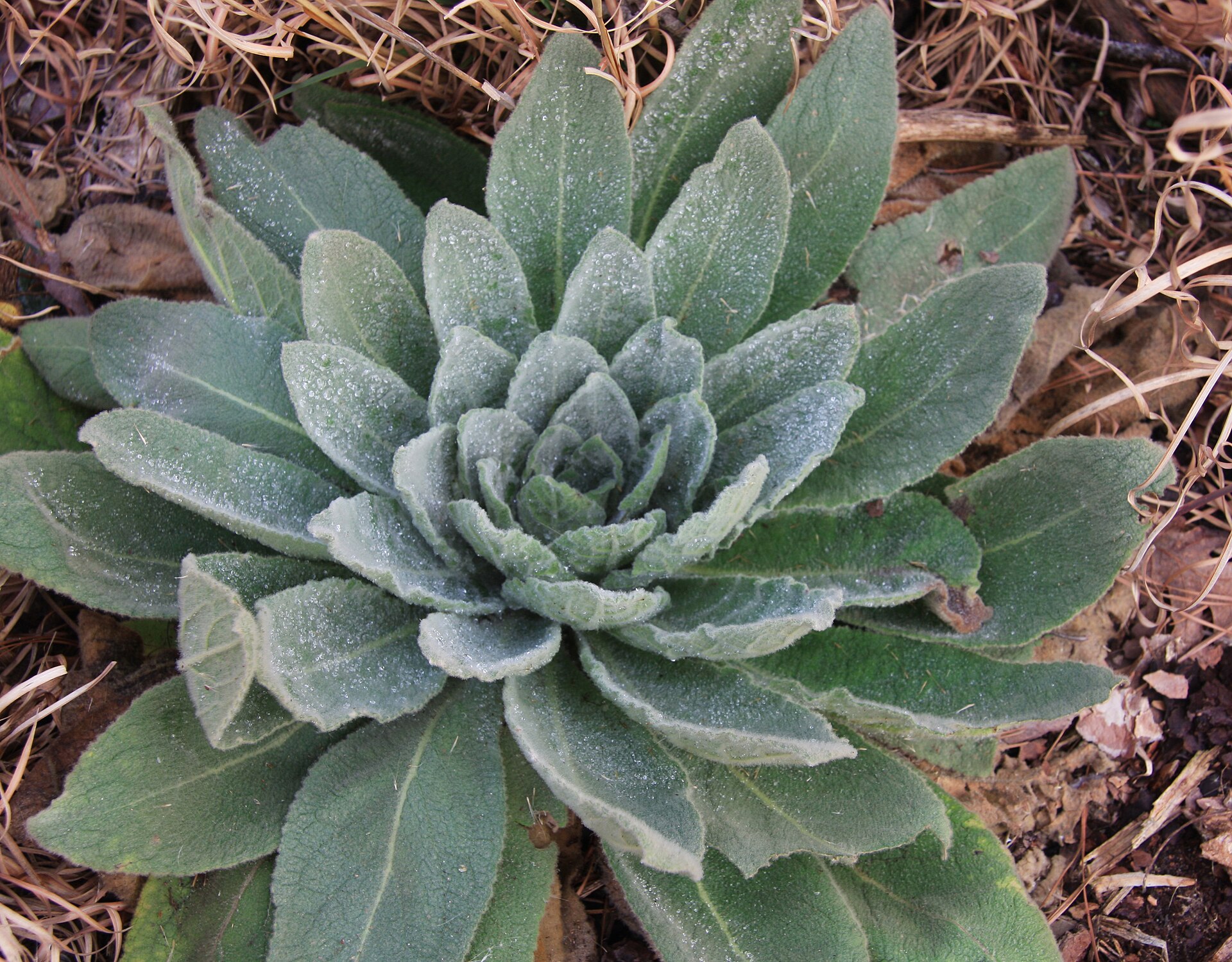
People usually arrive at mullein with a specific problem: a cough that will not settle, a raw throat, a chest that feels tight after a cold. That is the right instinct, because mullein is first and foremost a respiratory herb, and that is where both its long tradition and its modern reputation sit. Below is an honest tour of what the plant is good for, with plain notes on where the evidence is solid and where it is simply well-worn folk practice.
New to the herb entirely? Start with what is mullein. If you want the botany and how to grow or identify it, that lives on our mullein plant guide. This page is about what it does for you.
What is in mullein, and why it matters
Three things in the leaf and flower do most of the work, and knowing them makes the rest of this page make sense.
Mucilage. A soft, gel-like fibre that swells in water and coats whatever it touches. On a raw throat or an irritated airway, that coating is directly soothing. This is the effect you can actually feel, and it underpins most of mullein's respiratory uses.
Saponins. Compounds traditionally credited with helping to thin and loosen mucus, which is why mullein turns up in so many old cough and chest remedies. The evidence here is more traditional than clinical.
Flavonoids and other antioxidants. Lab studies have found antioxidant and anti-inflammatory activity in mullein extracts. That is promising and fits the traditional picture, but activity in a test tube is a long way from a proven effect in people.
The main mullein benefits
A soothing herb for the lungs and airways
This is the headline. Mullein has centuries of use for dry coughs, chest colds, and general airway irritation, and the soothing mucilage makes that reputation earned. It will not cleanse, detox, or repair lung tissue, despite what some product marketing claims, but as comfort while your body recovers, it has stood the test of time. There is a lot to say here, so it has its own guide: mullein for lungs.
Calming a cough
The same demulcent action that soothes the airways soothes the cough reflex itself, which is why mullein is such a common ingredient in herbal cough syrups and teas. For the practical detail on cough types and how to use it, see mullein for cough.
Easing a sore, scratchy throat
A warm, well-strained cup coats and comforts a raw throat, especially with a little honey. This is one of the most reliable everyday uses, and the easiest to try: see mullein tea.
Ear and skin traditions
Mullein flower oil, often infused with garlic, has a long folk history for ear discomfort, and mullein has traditional use as a skin-soothing wash and salve. These are older, less-studied uses, so I treat them as traditional rather than proven, but they are part of why the plant earned its place in the home apothecary.
A gentle, caffeine-free daily herb
Even setting specific complaints aside, mullein is a mild, grassy, caffeine-free herb that many people simply enjoy as a calming cup. It is easy on most bodies, which is part of why it has stayed in use so long.
The honest version of the evidence
I would rather you trust this page than be wowed by it, so here is the straight talk. The demulcent, soothing effect of mullein is real and easy to feel. The antimicrobial and anti-inflammatory activity seen in lab studies is genuinely interesting but has not been confirmed in large human trials. The claims you sometimes see online, that mullein clears or detoxes the lungs or treats serious disease, run well ahead of the evidence. Used as gentle, supportive comfort for everyday coughs and irritation, mullein is excellent. As a cure for anything serious, it is not, and anyone telling you otherwise is selling something.
How people take it
Mullein is flexible, and the form you choose depends on the job:
- Tea, from leaf or flower, is the everyday workhorse for throats and coughs. Start with how to make mullein tea.
- Tinctures and drops are concentrated and convenient, popular for respiratory use. See our guide to mullein drops.
- Capsules suit people who want a measured amount without the taste.
- Infused oil, often with garlic, is the traditional choice for the ears. See mullein garlic oil.
Whatever the form, the amount matters, so read mullein dosage for adults before you start, and the safety notes below.
Is it safe?
For most healthy adults, used sensibly and for short periods, mullein is considered low-risk, which is a big part of its appeal. That said, herbal does not mean risk-free, and there are real cautions around pregnancy, allergies, medication, and giving it to children. Read is mullein safe before making it a regular habit.
A grounded way to think about mullein
Mullein is a kind, useful, low-drama herb with a genuine talent for soothing coughs and irritated throats, a long tradition behind its other uses, and early science that is encouraging without being conclusive. Hold the proven parts firmly, hold the traditional parts lightly, and you will get the best of what this roadside plant has quietly offered for centuries.
Frequently asked questions
What is mullein good for?
Most of all, the respiratory system: dry coughs, sore throats, and irritated or congested airways. It is also used traditionally for ear discomfort and for soothing the skin. Think of it as gentle, supportive comfort rather than a treatment for any disease.
What does mullein do in the body?
Its leaves and flowers are rich in mucilage, a soft fibre that coats and soothes irritated tissue, along with saponins traditionally thought to help loosen mucus, and flavonoids with antioxidant activity in lab studies. The soothing effect is the one you can feel directly.
Is mullein actually proven to work?
The soothing, demulcent effect on a raw throat and cough is real and easy to feel. Beyond that, most claims rest on traditional use and small or preliminary studies rather than large human trials. It is genuinely useful as comfort, and honest herbalists do not oversell it.
What part of the mullein plant is used?
Mostly the leaves and flowers. The leaves make the everyday tea and tinctures; the flowers are gentler and favoured for the ears and night-time coughs; the root has its own smaller tradition. All come from Verbascum thapsus.
Keep reading
Rosa Wilder
Rosa Wilder is a clinical herbalist and lifelong forager who has grown and worked with mullein for over fifteen years.
A note on health claims. This article is for education only and is not medical advice. Mullein is a traditional herb; evidence for many uses is preliminary. Talk to a qualified healthcare provider before using mullein, especially if you are pregnant, nursing, taking medication, or managing a condition.